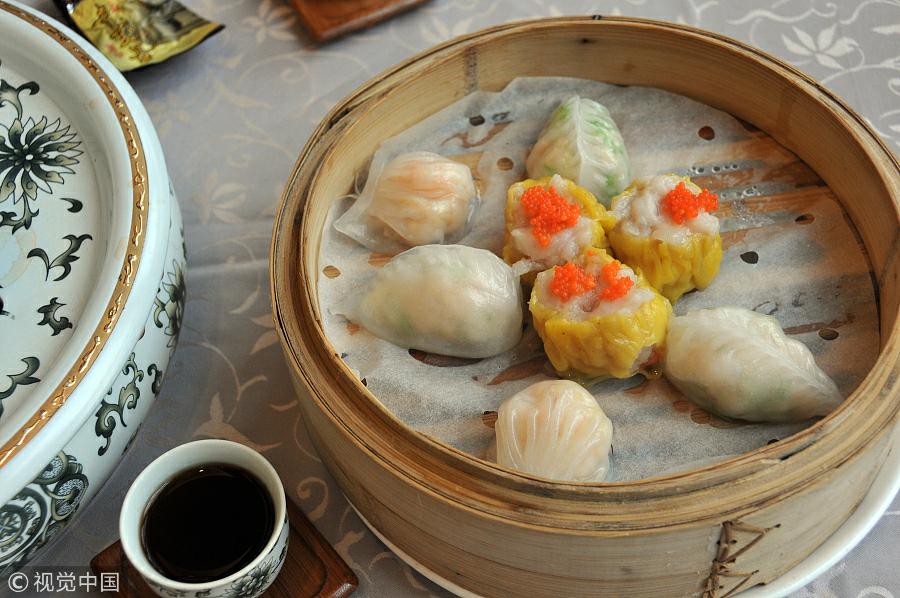
Shrimp Dumplings
Overview
Shrimp dumplings, known as "har gow" in Cantonese, are a quintessential dish in Cantonese dim sum cuisine. These delicate, translucent dumplings are celebrated for their exquisite texture, flavorful filling, and artistic presentation. Often served as part of the traditional "yum cha" experience, shrimp dumplings are a staple in teahouses and dim sum restaurants across Guangzhou, Hong Kong, and beyond. Their popularity has transcended regional borders, making them a beloved dish in Chinese communities worldwide.
Ingredients and Preparation
The hallmark of shrimp dumplings lies in their translucent, snow-white skin, which is crafted from a gluten-free dough made of wheat starch and tapioca flour. This unique dough gives the dumplings their signature delicate and slightly chewy texture. The filling typically consists of fresh shrimp, chopped bamboo shoots, pork fat, and a touch of green onion. The ingredients are minimally seasoned to allow the natural sweetness of the shrimp to shine through.
The preparation of shrimp dumplings requires exceptional skill and precision. The dough is rolled out into thin, circular wrappers, which are then carefully filled with the shrimp mixture. The dumplings are folded into a crescent shape, with pleats added for an elegant finish. They are steamed until the skin becomes translucent, revealing the pink hue of the shrimp inside.
Cultural Significance
Shrimp dumplings hold a special place in Cantonese culinary tradition and are often considered a benchmark for the skill of a dim sum chef. Their delicate construction and balanced flavors embody the artistry and attention to detail that define Cantonese cuisine. In teahouses, they are a symbol of hospitality and are often among the first dishes ordered during a yum cha meal.
The practice of yum cha, which translates to "drink tea," is deeply ingrained in Cantonese culture. It involves sipping tea while enjoying a variety of dim sum dishes, including shrimp dumplings. This tradition is not only a culinary experience but also a social ritual, bringing families and friends together to share stories and savor delicious food.
Variations and Modern Twists
While the classic shrimp dumpling remains a favorite, chefs have introduced creative variations to cater to evolving tastes. Some versions incorporate luxurious ingredients such as black truffle, crab meat, or tobiko (flying fish roe) for added flavor and visual appeal. Others experiment with the dough, infusing it with natural colors from ingredients like spinach or squid ink.
In recent years, shrimp dumplings have also been adapted for hotpot dining. Instead of steaming, the dumplings are boiled in flavorful broths, offering a new way to enjoy this traditional dish. These modern twists highlight the versatility of shrimp dumplings and their ability to adapt to contemporary culinary trends.
Shrimp Dumplings in Global Cuisine
The popularity of shrimp dumplings has spread far beyond their Cantonese origins. In Chinatowns around the world, dim sum restaurants serve har gow as a staple item, introducing this iconic dish to diverse audiences. The art of making shrimp dumplings has also been embraced by chefs in various countries, who incorporate local ingredients and techniques to create unique interpretations.
In addition to being a favorite in restaurants, shrimp dumplings are now widely available as frozen products, allowing home cooks to enjoy them with minimal preparation. This accessibility has further cemented their status as a global culinary icon.
The Art of Dim Sum Making
The creation of shrimp dumplings exemplifies the craftsmanship involved in dim sum making. Dim sum, which translates to "touch the heart," refers to a wide array of bite-sized dishes that are meticulously prepared and presented. Each dish, including shrimp dumplings, requires years of training and practice to perfect.
Dim sum chefs are often specialized, with some focusing on dough preparation, others on fillings, and still others on steaming techniques. The process is labor-intensive and demands a deep understanding of ingredients, textures, and flavors. The result is a harmonious blend of taste and aesthetics that delights diners.
Shrimp Dumplings and Yum Cha Culture
Shrimp dumplings are an integral part of the yum cha experience, which is as much about social interaction as it is about food. In bustling teahouses, diners sip fragrant tea while sampling an array of dim sum dishes served from pushcarts or ordered from menus. The lively atmosphere, combined with the communal nature of the meal, makes yum cha a cherished tradition.
In Guangzhou and Hong Kong, yum cha is a weekend ritual for many families, who spend leisurely mornings enjoying tea and dim sum. Shrimp dumplings are often among the first dishes to arrive at the table, setting the tone for the meal. Their delicate flavor and texture make them a perfect accompaniment to the aromatic teas served during yum cha.
Historical Context
The origins of shrimp dumplings can be traced back to the teahouses of Guangzhou, where they were first introduced as a luxurious treat. Over time, they became a staple of dim sum menus and gained widespread popularity. The dish's association with Cantonese cuisine has made it a symbol of the region's culinary heritage.
In the late Qing Dynasty (1644-1911), Guangzhou earned a reputation as a "paradise for gourmets," attracting food lovers from around the world. Shrimp dumplings, along with other dim sum dishes, played a significant role in establishing this reputation. Today, they continue to be a source of pride for Cantonese chefs and a highlight for visitors to the region.
Culinary Expertise and Innovation
The art of making shrimp dumplings has been preserved and refined by generations of chefs. Masters like Tam Tak-chuen have dedicated decades to perfecting traditional recipes while also introducing innovative techniques. Tam's meticulous approach to dim sum making, from selecting the freshest ingredients to mastering fermentation processes, exemplifies the dedication required to excel in this culinary art.
Chefs like Tam have also contributed to the global appreciation of shrimp dumplings by sharing their expertise in international settings. Their efforts have helped to elevate dim sum from a regional specialty to a celebrated global cuisine. Article reference1. Gloriously tasty fare draws the foodie faithful. chinadaily.com.cn. 20172. Food that 'touches the heart'. chinadaily.com.cn. 2010Photo Gallery(2 pictures)CategoriesLifestyleTagFood CultureEight Great Cuisines of ChinaLocal CultureRelatedYum ChaDim SumCatalogue1. Overview2. Ingredients and Preparation3. Cultural Significance4. Variations and Modern Twists5. Shrimp Dumplings in Global Cuisine6. The Art of Dim Sum Making7. Shrimp Dumplings and Yum Cha Culture8. Historical Context9. Culinary Expertise and Innovation- - - []








